| ITEMS FOR SALE |
We have thousands of quality military antiques and collectibles for sale. We have original WWII Samurai swords
as well as samurai swords from earlier periods available for sale.
CLICK HERE to check out our inventory.
|
| GIFT CERTIFICATES |
Do you have a person for whom you wish to purchase military antiques but you are not sure what to get? No
problem. We have gift certificated available.
|
| ALWAYS BUYING |
We are always looking for military items to purchase, Whether it is a single item or an entire collection.
You may call us at (623) 934-8181 or contact us
via email.
|
| AMERICAN MILITARY REFERENCE |
AMERICAN MILITARY ANTIQUES AND COLLECTIBLES IDENTIFICATION AND PRICE GUIDE -
Welcome to the American WWII Military identification and pricing reference guide. This page is sponsored by
MilitaryItems.com
in an effort to provide the current and future militaria collector with free information.
The field of military antiques and collectibles is growing. Some people get involved in the field out of their
passion for historical items. Other individuals happen to come across military antiques by pure chance.
sometimes items are purchased at yard sales, flea markets, etc. Other times a person may inherit militaria
from a relative.
Regardless of its point of origin, this website can provide you with information that will help you identify
the items, and in many cases, find the value of the item.
To navigate our website with more ease you may use our maps.
American Site Map.
General Site Map.
|
|
PATCHES of the 1st CAVALRY DIVISION
|
 The 1st Cavalry Division played a key role during the Vietnam war.
1st Cavalry patches
Early UH-1 Gunship
|
|
MONTAGNARDS During the VIETNAM WAR
|
The montagnards or "Mountain People" were tenacious allies of the United States during the
Vietnam war.
Montagnard photos
Riverine Forces
|
|
1932 US PEARL HARBOR GROUP
|
This is a grouping of an individual who served in Hawaii in 1932 for the US Army Corps of
Engineers.
|
|
US HAVERSACK ANATOMY
|

This section provides a
graphical breakdown of the haversack. Each component is identified and named.
|
|
WAR RATION BOOK
|
This section explains how the "war rations"
policies were implemented and what the documentation looked like.
|
|
CZECHOSLOVAKIAN LIBERATION GROUPING
|
This grouping captures the actions of Captain Richard Emeis during the liberation of
Strakonice, a town in Czechoslovakia.
|
|
WWI GERMANY OCCUPATION GROUPING
|
Expeditionary forces in Germany at the tail end of WWI and during the
occupation thereafter. 50th Infantry.
|
|
WEAPONS OF THE VIETNAM WAR
|

The following is a comprehensive review of weapons used during the Vietnam war.
|
|
AIRCTAFT OF THE VIETNAM WAR
|
A pictorial look at the light aircraft used during the Vietnam war.
|
|
THE AMERICAN FLIGHT JACKET
|

View examples that cover
the early days of the brown leather jacket to its modern nylon counterpart.
|
|
THE AMERICAN MILITARY WINGS
|

A study of the American aviation wings from WWII to the present.
|
|
OTHER US MEDALS AND AWARDS
|

New medals and awards continue to be introduced in all the branches of the armed forces. This section
of the web site displays and discusses some of the examples.
|
|
UNIFORMS & EQUIPMENT OF THE AAF
|

For the first time in history air power played a key and decisive role in the winning of
a war. The US Army Air Force was vital to the war effort in both the European and South
Pacific theaters by providing ground support, destroying factories and paralyzing the
enemie's transportation infrastructure. In addition the airplanes played a pivital role
in the submarine busting task, helping stop the highly effective attacks from the German
U-boats. Army Air Force items are highly desirable and tend to command higher prices than
other branches of the service in the same time period. Particularly popular are the flight
jackets and flight gear. Unfortunatelly there are replicas of these items in circulation.
|
|
WWII US PARATROOPER
|
View examples of WWII US Army Paratrooper Insignia.
|
|
SPECIAL FORCES OF THE VIETNAM WAR
|

The special forces played a very important role during the Vietnam war. This section of the
site takes a look at the uniforms, equipment and insignia employed by the forces.
|
|
| WORLD WAR II |
On the summer of 1937 the Japanese began to invade China after a series of manufactured
"incidents" took place.
In July of 1940 president Roosevelt froze all Japanese assets in the United States.
The Japanese decided to strike the first blow by attacking Pearl Harbor.
|
| WWII AMERICAN MILITARY UNIFORMS |
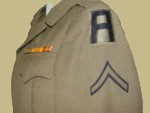 WWII witnessed the development of a large variety of uniforms. Many of them provided
the blueprint for the modern attire. This is a study of the American uniforms of WWII.
WWII witnessed the development of a large variety of uniforms. Many of them provided
the blueprint for the modern attire. This is a study of the American uniforms of WWII.
|
| WWII AMERICAN HATS AND HELMETS |
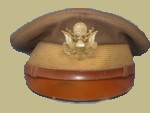 This section covers general headgear employed by the US troops during WWII.
|
| WWII US EDGE WEAPONS |
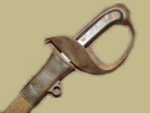 A study of bayonets, knives, swords and other edge weapons employed by the American
troops during WWII.
A study of bayonets, knives, swords and other edge weapons employed by the American
troops during WWII.
|
| AMERICAN CLOTH INSIGNIA OF WWII |
 WWII saw the birth of many units and the maturing of existing ones. The construction of
the majority of the patches is of high quality and have a very recognizable structure. Many
of the patches have wool in them. Collecting these items is a fun activity. The collector must
be aware that there are several close
reproductions of many of the cloth insignias. Extra care must be exercised when purchasing
an item.
WWII saw the birth of many units and the maturing of existing ones. The construction of
the majority of the patches is of high quality and have a very recognizable structure. Many
of the patches have wool in them. Collecting these items is a fun activity. The collector must
be aware that there are several close
reproductions of many of the cloth insignias. Extra care must be exercised when purchasing
an item.
|
| US MEDALS AND INSIGNIA OF WWII |
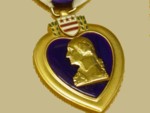 The
one thing a collector needs to take under consideration is that many if these medals are
being awarded today and, except for a few minor differences, they look pretty much the
same as their predecessors.
The
one thing a collector needs to take under consideration is that many if these medals are
being awarded today and, except for a few minor differences, they look pretty much the
same as their predecessors.
|
| WWII US MILITARY FIELD GEAR AND OTHER ITEMS |
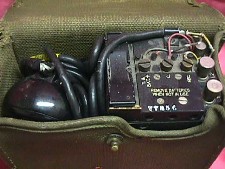 The field gear used by the American armed forces set the mold for the design of the modern
fighting gear. Many of today's gear is directly based from their WWII counterparts.
The field gear used by the American armed forces set the mold for the design of the modern
fighting gear. Many of today's gear is directly based from their WWII counterparts.
|
|
| CIVIL WAR AND SPANISH AMERICAN WAR |
The Spanish-American War was a military conflict between Spain and the United States that
began in April 1898. Hostilities halted in August of that year, and the Treaty of Paris was signed in December.
The war began after the American demand for Spain's peacefully resolving the Cuban fight for
independence was rejected. Spain's remaining overseas territories were targeted.
CIVIL WAR/SPANAM US UNIFORMS
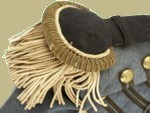
The uniforms employed during the Civil War and Spanish American war show some
similarities in design.
This is a display of some of the uniforms employed by the US
armed forces.
|
CIVIL WAR/SPANAM US HEADGEAR
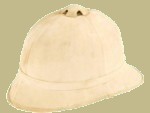
This section displays some of the headgear employed by the US armed forces during the
conflict.
|
CIVIL WAR/SPANAM US MILITARY FIELD GEAR
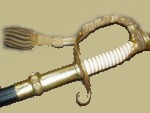
The field gear used in the Spanish American War was used as the pattern of much of
the equipment employed during WWI. This section takes a look at this gear and that
used during the Civil War as well. This section also displays photos of edge weapons.
|
CIVIL WAR/SPANAM US MILITARY MEDALS AND INSIGNIA
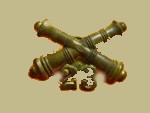
The insignia used during the Civil War and Spanish American War created the standard for much of what is used today. The quality
of the insignia of these times was far superior to the cost-sensitive items used today.
|
|
|
| KOREAN WAR |
The Korean conflict is one of the often forgotten military actions of the United States.
There are many reasons for this. Among them are the fact that war was never declared.
Another reason is that there was no clear winner in the conflict.
AMERICAN UNIFORMS OF THE KOREAN WAR
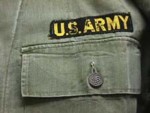 The uniforms of the Korean war were heavily influenced by those employed during WWII.
Towards the end of the conflict, styles of their own were created. This section of
the web site provides photos and information of the period.
The uniforms of the Korean war were heavily influenced by those employed during WWII.
Towards the end of the conflict, styles of their own were created. This section of
the web site provides photos and information of the period.
|
AMERICAN HEADGEAR OF THE KOREAN WAR
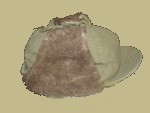 The headgear of the Korean war were heavily influenced by those employed during WWII.
This section of the web site discusses the period.
The headgear of the Korean war were heavily influenced by those employed during WWII.
This section of the web site discusses the period.
|
US FIELD GEAR AND OTHER ITEMS (KOREAN WAR)
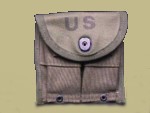 This section is dedicated to the study various items used during the Korean war. Some of the articles include field gear,
home front items as well as other military-related curiosities that were available during the conflict.
This section is dedicated to the study various items used during the Korean war. Some of the articles include field gear,
home front items as well as other military-related curiosities that were available during the conflict.
|
| IRAQI FREEDOM |
The Iraq War, also known as the Occupation of Iraq or Operation Iraqi Freedom, is a military campaign which
began on March 20, 2003, with the invasion of Iraq by a multinational force led by troops from the United States
and the United Kingdom.
|
IRAQI FREEDOM UNIFORMS AND FIELD GEAR
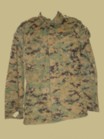 The terrain found in Iraq and Afghanistan is desert-like. Shades of brown, black and Gray
are predominant colors. As such, the fighting uniforms and equipment have to be built to
better accomodate to this conditions.
The terrain found in Iraq and Afghanistan is desert-like. Shades of brown, black and Gray
are predominant colors. As such, the fighting uniforms and equipment have to be built to
better accomodate to this conditions.
|
IRAQI FREEDOM US MEDALS
 This is a compilation of some of the medals and awards of the Unites States armed forces that were given out during the
Panama and Granada operations. The basic design remained the same as in previous conflicts. No new designs were created
for these instances. This section of the page is dedicated to the study of the medals of the peirod.
This is a compilation of some of the medals and awards of the Unites States armed forces that were given out during the
Panama and Granada operations. The basic design remained the same as in previous conflicts. No new designs were created
for these instances. This section of the page is dedicated to the study of the medals of the peirod.
|
|
|
|
|
| VIETNAM WAR |
The Vietnam War occurred from 1959 to April 30,
1975. The term Vietnam Conflict is often used to refer to events which took place between 1959 and April 30, 1975. The war
was fought between the Communist-supported Democratic Republic of Vietnam and the United States supported Republic of
Vietnam.
US MILITARY UNIFORMS OF THE VIETNAM WAR
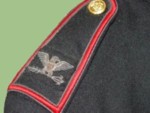 The Vietnam war witnessed the use of new materials.
This section of the website studies the uniforms used during the Vietnam war.
The Vietnam war witnessed the use of new materials.
This section of the website studies the uniforms used during the Vietnam war.
|
HATS AND HELMETS OF THE VIETNAM WAR
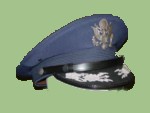 This section of the website covers the headgear used during the Vietnam war.
|
VIETNAM WAR EDGE WEAPONS
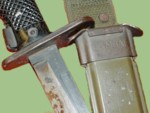 This section of the website covers the edge weapons used during the Vietnam war.
|
VIETNAM WAR CLOTH INSIGNIA
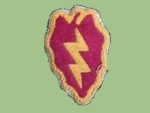 The Vietnam war is a particularly interesting period for cloth insignia because there were many
clandestine operations carried out by highly trainned personnel divided in small groups. The members of
these teams would hire local seamstresses to create the insignia. It is difficult to determine
how many unofficial designs there are because much of the activities were conducted in strict secrecy.
The Vietnam war is a particularly interesting period for cloth insignia because there were many
clandestine operations carried out by highly trainned personnel divided in small groups. The members of
these teams would hire local seamstresses to create the insignia. It is difficult to determine
how many unofficial designs there are because much of the activities were conducted in strict secrecy.
|
VIETNAM WAR MEDALS AND INSIGNIA
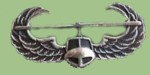 The Vietnam era saw the birth of a few new medals and awards. However, many of them had
already been established during WWII and the Korean conflicts. This section of the website
provides a comprehensive study of the awards issued during the Vietnam war.
The Vietnam era saw the birth of a few new medals and awards. However, many of them had
already been established during WWII and the Korean conflicts. This section of the website
provides a comprehensive study of the awards issued during the Vietnam war.
|
VIETNAM WAR US FIELD GEAR AND OTHER ITEMS
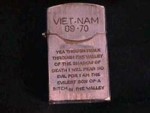 The miscellaneous items displayed on this section are
interesting because they capture a time slice of the American history. The value comes mainly from
the historical perspective than the monetary angle.
The miscellaneous items displayed on this section are
interesting because they capture a time slice of the American history. The value comes mainly from
the historical perspective than the monetary angle.
|
|
|
| WWI |
At the beginning of the United States' entry into WWI, the Army consisted of three
components: the Regular Army, composed of active duty units that existed prior the war; the
National Army, composed of mobilized federal reservists (USAR) and draftees; and the states'
National Guards. After the Guard units were mobilized, they were deactivated and re-activated
as part of the National Army of the U.S. So, during mobilization and during the war, the
states' respective National Guards ceased to exist.
|
WWI AMERICAN MILITARY UNIFORMS
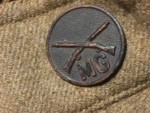
The uniforms in WWI saw very little change from the previous wars. There were two primary materials employed: cotton
and wool. The wool would be heavy when wet and itchy the rest of the time.
|
WWI AMERICAN MILITARY HEADGEAR
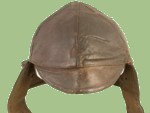
This is a study of the military headgear employed by the American forces during WWI.
|
WWI AMERICAN FIELD GEAR
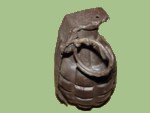
With some exceptions, the gear used by the soldiers in WWI was very much a
re-issue from previous wars. Most of the equipment was combersome to use. Although
some experimentation was done with colors, the standard issue was always khaki.
|
WWI AMERICAN MILITARY MEDALS AND INSIGNIA
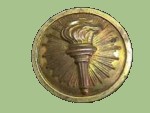
This section is dedicated to explore the medals and insignia employed by the US
armed forces during World War One. Much of the insignia employed was very similar
to that developed during the previous wars.
|
| GRANADA & PANAMA OPERATIONS |
After the Vietnam war, the United States engaged in a series of small military engagements which
included actions such as Granada (Operation Urgent Fury), Panama (Operation Just Cause) in addition
to peace keeping missions.
AMERICAN MILITARY UNIFORMS OF PANAMA AND GRANADA
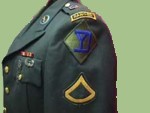
The uniforms of the armed forces remained largely unchanged in the decades that
follow the Vietnam war. Most of the changes occurred in the materials employed
in the construction of the uniforms.
|
AMERICAN MILITARY HEADGEAR
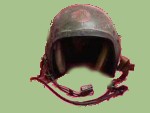 This section displays some of the hats and helmets that were employed during the Invasions
of Granada and Panama.
This section displays some of the hats and helmets that were employed during the Invasions
of Granada and Panama.
|
AMERICAN MILITARY FIELD GEAR AND OTHER ITEMS
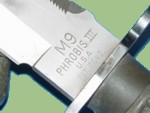 The operations in Granada and Panama saw the application of some of these
lessons. The materials used for the gear was improved. Several changes were designed to better accomodate
newer technology like night vision.
The operations in Granada and Panama saw the application of some of these
lessons. The materials used for the gear was improved. Several changes were designed to better accomodate
newer technology like night vision.
|
|
|
| DESERT STORM |
In the early 90's Saddam Hussein ran over Kuwait's armed forces and occupied the country declaring it a part of
Iraq. The United States responded by coordinating an international coalition ready to go to war to liberate Kuwait.
The end result was a military maneuver of a magnitude not seen since the D-day invasion.
MILITARY UNIFORMS AND FIELD GEAR OF DESERT STORM
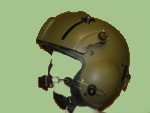 Most of the uniforms employed during this conflict have remained pretty much unchanged since the post Vietnam war era.
The fighting in the desert saw the development of a new breed of camouflaged colors. The desert camo pattern was changed to
be lighter and even incorporated a tint of pink in it.
Most of the uniforms employed during this conflict have remained pretty much unchanged since the post Vietnam war era.
The fighting in the desert saw the development of a new breed of camouflaged colors. The desert camo pattern was changed to
be lighter and even incorporated a tint of pink in it.
|
DESERT STORM INSIGNIA
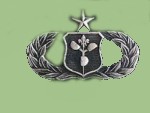 The medals and awards given out for the Desert Stoprm and Iraqi Freedom operations did not change much from the previous
periods. A few new medals were introduced to be given to people who took part in the operations.
The medals and awards given out for the Desert Stoprm and Iraqi Freedom operations did not change much from the previous
periods. A few new medals were introduced to be given to people who took part in the operations.
|
|
|
|